Burleigh heads garage door services: 11 Thing You're Forgetting to Do
Comprehensive Garage Door Opener Repair Guide for 2026
Garage door openers are essential for the smooth operation and security of your garage. However, like any mechanical device, they can experience issues over time that require attention. Whether you are a DIY enthusiast eager to fix your own garage door opener or seeking professional repair services, understanding the components, common problems, and maintenance tips is vital. This guide will provide clear, actionable steps and expert advice to help you diagnose, troubleshoot, and repair your garage door opener efficiently and safely in 2026.Introduction to Garage Door Opener Repair
Garage door opener repair is crucial to maintain the convenience and security of your home. Common garage door opener issues include the motor unit failing to run, remote control malfunctioning, sensors being blocked or misaligned, noisy operation, and the door not closing or opening fully. Recognising signs your garage door opener needs repair early, such as unusual noises, slow response times, or erratic behaviour, can save you from more costly repairs later. Using effective garage door opener troubleshooting techniques helps identify problems quickly so that they can be resolved before causing further inconvenience.
Understanding Garage Door Opener Components
To effectively repair your garage door opener, it is important to understand its core components. The motor unit powers the system and drives the chain or belt drive along the rail track, moving the trolley that opens and closes the door. Sensors, often called safety eyes, detect obstructions to prevent accidents. The circuit board controls signals from the remote control and keypad, while limit switches regulate the door's open and close positions. Other critical parts include springs that counterbalance the door's weight, roller wheels that allow smooth door movement, the emergency release for manual operation during power outages, and the wall console for manual commands.
How Each Component Affects Your Garage Door Operation
- Latch Assembly: Ensures the door locks securely when closed.
- Header Bracket: Supports the pulley system where cables wind and unwind.
- Wiring Harness: Connects electrical components, transmitting power and control signals.
- Manual Release: Allows manual door operation in case of power failure.
- Gear Assembly: Transfers motor rotation to door movement through the trolley.
- Hinge: Connects door panels, enabling smooth articulation during opening and closing.
- Cable Drum: Guides and holds the lifting cables wrapped to lift the door.
- Weather Seal: Prevents drafts, dirt, and moisture from entering under the door.
- Pulley: Changes cable direction and reduces effort in lifting the door.
- Lock Mechanism: Ensures the door remains securely closed.
- Control Panel: Houses internal electronics and programming interfaces.
- LED Indicator: Shows status signals such as power, faults, or system readiness.
- Obstruction Sensor: Detects objects in the door’s path to halt movement and avoid damage.
- Power Supply: Provides electrical energy to all components safely and reliably.
Common Garage Door Opener Problems and Solutions
Several issues commonly affect garage door openers, but most can be addressed with straightforward repairs or adjustments:
- Motor Not Running: May result from power issues, blown fuse, or damaged motor components.
- Remote Control Not Working: Often caused by dead batteries, signal interference, or programming errors.
- Sensors Blocked or Misaligned: Dirt or obstruction on safety eyes can stop door operation.
- Noisy Operation: Worn gears, lack of lubrication, or loose parts may cause unusual sounds.
- Door Doesn’t Close/Open Fully: Improperly adjusted limit switches or mechanical obstructions are typical causes.
- Chain or Belt Drive Issues: Loose or worn drive belts/chains affect smooth movement and may slip.
- Button or Keypad Failure: Electrical faults or wear can disable control panel inputs.
- Frequent Fuse or Power Issues: Wiring problems or faulty power supply components lead to resets.
- Malfunctioning Circuit Board: Component failures can interrupt commands or cause erratic behaviour.
Troubleshooting Guide
- Check the battery pack and wiring harness to ensure power delivery is uninterrupted.
- Realign sensors and safety eyes carefully to restore the obstruction detection function.
- Inspect and lubricate springs, pulleys, and rollers to minimise friction and wear.
- Test emergency release and manual override mechanisms for proper operation.
- Reset the control panel and microcontroller if the opener is responding irregularly.
- Adjust torque and speed settings to match your door’s weight and balance.
- Diagnose noise causes by examining gear assemblies, chain tension, and drive belt condition; apply noise reduction techniques such as greasing or tightening loose parts.
Step-by-Step Garage Door Opener Repair Guide
Safety Precautions and Tools Needed
- Unplug power supply before inspection or repair.
- Wear protective gloves and safety glasses.
- Use a sturdy ladder with assistance if necessary.
- Essential tools include screwdrivers, pliers, socket wrenches, multimeter, lubricant, alignment tool, replacement batteries, and a replacement drive belt or chain if needed.
Diagnosing the Specific Issue
Start by identifying symptoms such as no response, incomplete door travel, or erratic movements. Consult your user manual and observe LED indicators or error codes on the control panel to narrow down the fault.
Repairing or Replacing Motor Units, Belts, Chains, and Gears
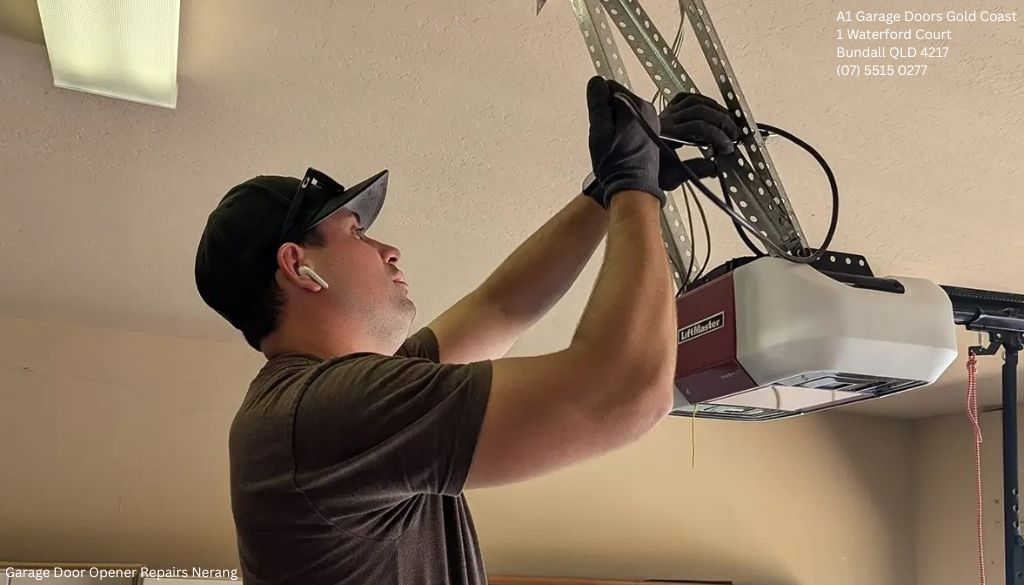
If the motor unit is non-functional, inspect for burnt components or overheating signs. Replace faulty motors or gear assemblies following manufacturer guidelines. For drive belts and chains, check for tension and wear, replacing loose or damaged parts to ensure smooth motion.
Sensor Realignment and Calibration
Clean sensor lenses periodically and ensure they face each other directly at the correct height (typically 4 to 6 inches above the ground). Small adjustments with an alignment tool can restore proper beam detection and prevent false obstruction alerts.
Circuit Board Troubleshooting and Replacement
Inspect the circuit board for visible damage such as burnt resistors or capacitors. Reset or reprogram control boards using instructions in the user manual. If defective, replace with compatible boards ensuring all wiring harness connections are secure and correct.
Programming Remotes and Keypads
Follow the manufacturer’s instructions to sync remotes or wireless keypads with the garage door opener receiver. Replace batteries regularly and perform reprogramming after power outages or component replacements.
Testing After Repair
Once repairs are complete, test the garage door opener multiple times to confirm reliable operation. Check open/close limits, sensor responses, noise levels, and remote/keypad functionality. Perform adjustments as necessary for optimal performance.
When to Call a Professional Garage Door Opener Repair Service
Certain repairs require specialised knowledge, tools, and safety precautions. It is advisable to contact professionals in cases involving:
- Complex electrical faults affecting circuit boards, transformers, or capacitors.
- Spring replacements and repairs involving high-tension components to avoid injury.
- Extensive mechanical failures like damaged cable drums or gear assemblies.
- Repairs covered under warranty or requiring adherence to insurance standards.
Professional technicians bring experience, certifications, and equipment ensuring safe, reliable, and guaranteed garage door opener repairs.
Maintenance Tips to Prevent Future Repairs
- Establish a regular lubrication schedule for springs, pulleys, rollers, and chains or belts using manufacturer-recommended lubricants.
- Use alignment tools periodically to verify safety eyes and sensors remain properly positioned.
- Replace worn parts like roller wheels, belts, cables, and weather seals before they fail.
- Maintain battery backups and wireless keypad batteries to ensure uninterrupted access during power outages.
- Follow the user manual recommendations for control panel care, programming updates, and general upkeep.
- Schedule periodic professional inspections to catch subtle issues early.
Frequently Asked Questions About Garage Door Opener Repair
How do I know if my garage door opener needs repair or replacement?
If you experience frequent malfunctions, excessive noise, unresponsive controls, or the door doesn’t operate smoothly despite troubleshooting, it might be time for repair or replacement. Severe wear or repeated electronic failures typically indicate replacement is more cost-effective.
Can I repair my garage door opener myself, or should I call a professional?
Simple fixes like battery replacement, sensor cleaning, and remote programming are suitable for DIY. Complex issues involving springs, motors, or circuit boards are safer and more reliably handled by professionals.
What are the most common causes of garage door opener failure?
Common causes include dead batteries in remotes, misaligned safety sensors, worn drive belts or chains, faulty limit switches, and electrical problems like blown fuses or damaged circuit boards.
How often should I perform maintenance on my garage door opener?
Perform basic maintenance such as lubrication and sensor cleaning every six months, and conduct comprehensive checks annually or as recommended in your user manual.
Why is my garage door opener making a loud noise?
Loud noises may result from loose hardware, worn gears, dry lubrication points, or a deteriorated drive belt or chain needing adjustment or replacement.
What does it mean if the garage door opener remote is not responding?
This often indicates dead batteries, signal interference, or the need for reprogramming the remote to the opener’s receiver.
How do safety sensors work and how can I fix issues with them?
Safety sensors emit an infrared beam across the garage door opening. If the beam is broken or sensors become misaligned or dirty, the door will not close. Cleaning lenses and Burleigh heads garage door services realigning sensors usually resolves these problems.
What is involved in resetting or reprogramming a garage door opener?
Resetting involves clearing stored remotes and programming new ones by pressing buttons on the control panel or motor unit. Refer to the user manual for model-specific instructions to ensure accurate syncing.
Are smart garage door openers harder to repair than traditional models?
Smart openers have added components like wireless communication modules and software-based controls which might require technical expertise. However, basic mechanical repairs remain similar, and manufacturers often provide app-based diagnostics to simplify troubleshooting.
What tools do I need to repair a garage door opener?
- Screwdrivers (Phillips and flathead)
- Socket wrench set
- Pliers and adjustable wrenches
- Voltage tester or multimeter
- Lubricant spray
- Alignment tool or small level
- Replacement batteries
- Replacement drive belt or chain (if needed)